
The Role of Automation in Reducing Waste and Enhancing Operational Efficiency
- Sep 30, 2025
- 2 min read
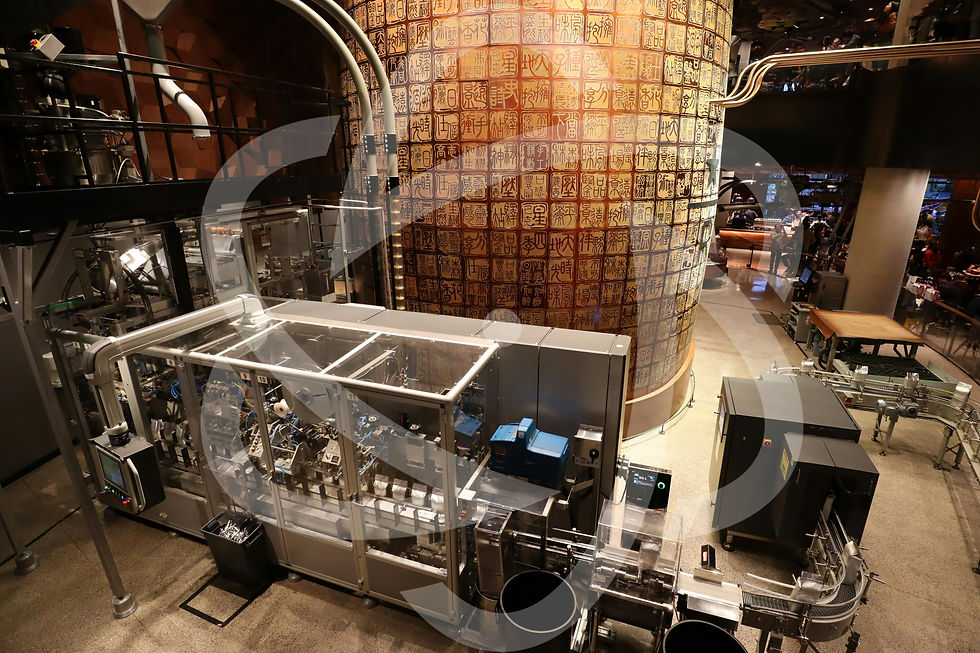
In the contemporary business environment, organisations face increasing pressure to optimise productivity while containing costs. Across sectors including manufacturing, retail, and trading, the fundamental challenge remains: how to minimise waste and enhance operational efficiency.
Automation has emerged as a critical enabler in addressing this challenge. By replacing repetitive manual tasks with intelligent, automated processes, organisations can achieve higher operational efficiency, reduce errors, and utilise resources more effectively.
1. Addressing Process Inefficiencies
Many organisations continue to rely on manual processes that are prone to delays, duplication, and errors. Automation facilitates seamless workflow management, ensuring that tasks progress efficiently across departments and reducing operational bottlenecks.
Benefit: Accelerated process execution, reduced errors, and improved overall productivity.
2. Optimised Resource Management
Excess inventory increases holding costs, whereas insufficient stock can disrupt operations. Automated systems provide real-time monitoring of inventory, trigger timely re-ordering, and deliver actionable insights based on usage patterns.
Benefit: Improved inventory optimisation, minimisation of material wastage, and reduced operational costs.
3. Minimisation of Production Waste
Inefficiencies in production often result in material wastage, rework, and excessive energy consumption. Automation, through technologies such as machine monitoring and automated quality control, ensures that resources are deployed optimally.
Benefit: Reduced defects, lower waste generation, and enhanced product quality.
4. Enhanced Client Service
Manual management of client interactions can result in delays and inconsistencies. Automation of communications, invoicing, and service tracking ensures that clients receive timely and accurate information, thereby improving service reliability.
Benefit: Higher client satisfaction, increased reliability of service delivery, and strengthened customer loyalty.
Strategic Importance of Automation
Given rising operational costs, labour constraints, and increasing competition, organisations can no longer rely on manual processes alone. Automation reduces dependency on repetitive tasks, liberates personnel to focus on value-added activities, and supports scalable, sustainable growth.
Conclusion
Automation should be viewed as an enabler of organisational effectiveness rather than a replacement for human effort. By delegating routine tasks to automated systems, organisations can empower employees to focus on strategic initiatives, innovation, and overall business growth. The outcome is a more streamlined, efficient, and sustainable operational model.
KRONISYS Technologies LLP assists organisations in developing tailored automation strategies that reduce waste and enhance operational efficiency, delivering measurable business value.
Contact Us
For more information about our services or to discuss how we can assist your organisation, please reach out to us:
Phone: +91-9023000592
Website: www.kronisystechnologies.com
Stay tuned for more updates, industry insights, and tips on leveraging technology for success.


Comments